

Just as you seek lasting design that balances comfort and aesthetic, the eames style dining chair proves its staying power through intelligent engineering, adaptable form, and enduring appeal; Luxe Furnishes shows how this icon complements modern and classic interiors, supports practical living, and retains value over time, so you can confidently choose pieces that enhance your space and lifestyle.
The Enduring Allure of Eames Design
More than 70 years after Charles and Ray Eames refined the molded-shell concept, you still see the silhouette of the eames style dining chair in homes, restaurants, and museums worldwide. Its clean lines and ergonomic curve let you pair it with rustic tables or minimalist settings, while the design's inclusion in the Museum of Modern Art’s collection cements its status as both functional furniture and cultural icon, one Luxe Furnishes continues to celebrate in contemporary collections.
Iconic Aesthetics and Versatility
That immediately recognizable shell works with multiple bases, Eiffel wire, wooden dowel, swivel and four-leg, so you can choose form to fit function. Designers often specify the chair in dining rooms, cafes and meeting spaces because the profile reads small visually while offering surprising comfort. Introduced in 1950, the design’s adaptability lets you mix colors, textures and bases to create looks ranging from Scandi-cozy to industrial chic.
Craftsmanship That Stands the Test of Time
Precision molding creates the ergonomic curve that cradles the body, and modern materials let you expect decades of everyday use; many originals remain in active service after 60+ years. Luxe Furnishes sources durable shells and robust bases, then performs multi-point inspections so you get an eames style dining chair that holds up in family kitchens or high-traffic hospitality settings.
Production details matter: shells are formed in matched steel molds under controlled heat and pressure to ensure consistent curve and thickness, while bases receive corrosion-resistant finishes and factory-tested welds. Upholstered versions use high-density foam and sewn seams aligned to stress points, making replacements and repairs straightforward. Those process choices explain why you can find vintage originals and well-made contemporary pieces that both retain the same silhouette and longevity.
The Cultural Impact of Eames Chairs
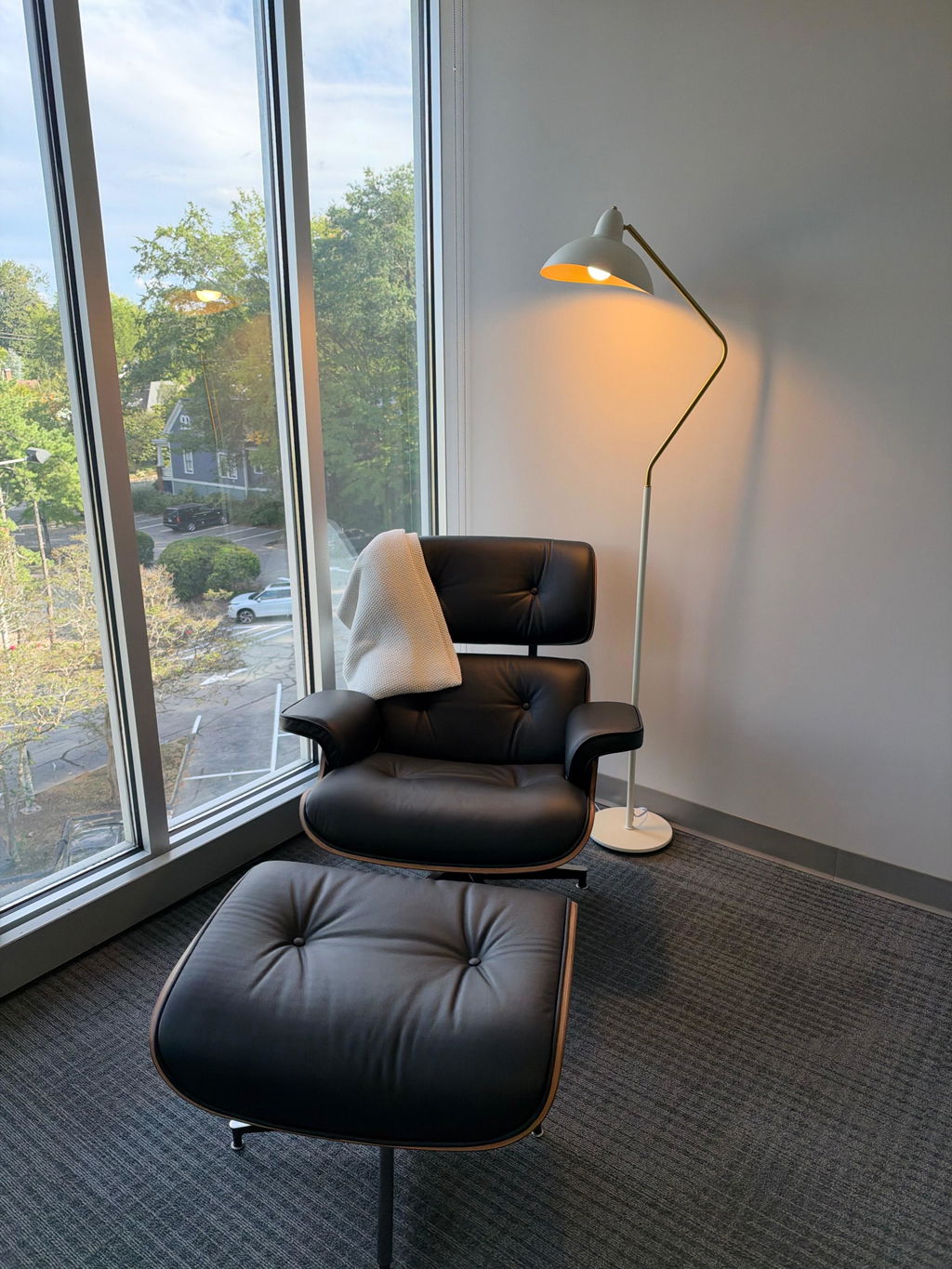
Across museums, boutique hotels, and your favorite design blogs, the Eames legacy shapes how you think about modern living: MoMA holds multiple Eames pieces in its permanent collection, and the 1956 Eames Lounge Chair remains an icon. The eames style dining chair translates that legacy into everyday use, giving you museum-born design that works at your table. Brands like Luxe Furnishes bring the silhouette to accessible finishes so your dining space can echo a design lineage that spans more than six decades.
From Mid-Century Modernism to Contemporary Homes

Design innovations from the 1950s, molded plywood and the later plastic-shell chair, enabled mass production, so you can mix an eames style dining chair with contemporary elements: pair it with a concrete-topped table for contrast, or cluster several around a reclaimed-wood table for warmth. Interior designers routinely use these chairs to bridge minimalist kitchens and layered, eclectic dining rooms, demonstrating how a single silhouette adapts across styles and scales.
Pop Culture References and Their Influence
Television and film have repeatedly put Eames pieces in the spotlight, with series like Mad Men (2007–2015) reviving mainstream interest in mid-century furniture and inspiring a new generation to seek out the eames style dining chair for authentic period or modernized interiors. You’ll spot the chair in editorial shoots, boutique cafés, and lifestyle Instagram accounts, where visual familiarity drives both demand and cultural cachet.
Deeper evidence of that cultural sway shows up in market and manufacturing patterns: licensed originals by Herman Miller and Vitra remain premium benchmarks, museums continue to exhibit Eames work, and countless design-led retailers, Luxe Furnishes among them, offer reinterpretations so you can access the look without the vintage auction price. You benefit from decades of validation: designers cite Charles and Ray Eames in curricula, hospitality projects specify the silhouette for longevity, and product longevity proves the form’s adaptability from cinematic sets to your daily meals.
The Value of Eames Chairs as Investment Pieces
You can treat an eames style dining chair as more than seating, originals and well-documented reissues often retain or appreciate value. Licensed Herman Miller pieces sell new for roughly $400–$1,200 depending on model, while vintage originals with labels, patina, or rare bases routinely trade for thousands on the secondary market. Buying through trusted dealers like Luxe Furnishes reduces risk and helps you target pieces with provenance and long-term resale potential.
Economic Resilience in the Design Market
Design classics tend to weather downturns better than mass-market furniture, with consistent collector demand keeping prices buoyant. New-production Eames shells provide a price floor, around $400–$1,200, while auction-ready vintage examples commonly fetch $1,000–$10,000; the top-tier, museum-quality lots can exceed that. You benefit from broad buyer interest, from millennials seeking mid-century style to institutions, so liquidity for desirable models remains relatively strong.
Rarity and Collectibility: What Drives Prices?

Provenance, original manufacturer stamps, and early materials drive premiums: early fiberglass shells, original plywood bases, and first-run colorways command higher bids. Condition and original hardware matter too, intact Herman Miller labels, undisturbed screw assemblies, and period upholstery can add thousands. You should prioritize pieces with documented history or rarity markers if you’re aiming for long-term appreciation.
Diving deeper, specific attributes change valuation dramatically: a 1950s molded fiberglass shell with an original Eiffel base and clear Herman Miller stamp will often outprice later polypropylene shells by multiples. Limited-production finishes, uncommon base variants, and factory-correct upholstery increase collectibility; conversely, unsigned or poorly restored examples typically sit at reproduction prices. Luxe Furnishes can help verify labels, date codes, and restorations so you know exactly what you’re buying.
Practical Applications: Styling Your Space with Eames Chairs
Blending Timelessness with Modern Interiors
Pair molded shells with a slim walnut or oak table to balance mid-century warmth and contemporary lines; mixing two upholstered heads with four molded side chairs gives visual hierarchy in a 6-seat setup. You can layer textures, metal Eiffel bases against a matte-finished table, and anchor the room with a rug sized 8x10 ft under a standard 72–84 in table. Small kitchens benefit from white shells to reflect light, while larger dining rooms handle deeper hues for drama.
Color and Material Choices to Enhance Your Home
Choose polypropylene or fiberglass shells for busy households, both resist stains, with polypropylene offering greater flexibility and fiberglass greater rigidity, and pick walnut or ash legs to warm Scandinavian palettes. You can introduce jewel tones like emerald or navy for a formal dining room, or pastel shells in kitchens to echo 1950s colorways. Luxe Furnishes offers matte finishes and upholstered seat pads so you can mix practicality and polish across a 4–6 chair set.
For targeted palettes, paint a focal wall deep blue and place olive or mustard shells to create contrast, or keep shells neutral and add textured bouclé cushions for tactile interest; leather ages elegantly in high-use dining rooms while removable fabric pads let you rotate seasonal colors. Standard seat width of 18–19 in and seat height around 17–18 in helps you match tables and comfort, measure before ordering. Consider metal bases in black for industrial lofts, and natural wood legs for light-filled Scandinavian rooms; Luxe Furnishes’ customization lets you combine bases, shells, and upholstery for a cohesive, durable scheme.
Sustainability as a Trend with Eames Chairs
Many buyers now view the eames style dining chair as a sustainable choice because its timeless silhouette reduces the urge to replace furniture frequently. You benefit from designs that age gracefully, lowering waste from trend-driven turnover. Brands such as Luxe Furnishes offer versions that combine classic form with modern materials, helping you choose pieces that fit a low-waste lifestyle while keeping the aesthetic appeal that keeps these chairs in homes for decades.
Eco-Friendly Materials and Manufacturing Practices
Original Eames shells used fiberglass in the 1950s; contemporary makers favor recyclable polypropylene or molded plywood sourced from FSC-certified forests. You’ll find chairs with recycled polypropylene (often 20–50% post-consumer content), powder-coated steel or recyclable aluminum bases, and low-VOC, water-based finishes that reduce indoor emissions. Manufacturers increasingly publish material disclosures and use lean production methods to cut waste, letting you verify sustainability claims before buying your eames style dining chair.
An Investment in Longevity and Responsible Consumption
Buying an eames style dining chair means paying for decades of use rather than seasonal replacement; well-made shells and sturdy bases often last 20–30 years or more. You lower lifetime cost-per-year while supporting a circular mindset by choosing chairs that accept replacement parts or reupholstery. Luxe Furnishes and similar brands typically offer spare legs, cushions, and repair options so you can maintain and refresh your chair instead of discarding it.
Compare costs to see the impact: a quality eames style dining chair priced around $250 that lasts 25 years equals $10 per year, versus a $80 fast-furniture chair lasting three years at roughly $27 per year. Reupholstery often costs $80–$150 and can add a decade of use, further stretching value. Strong secondary markets for well-maintained mid-century designs also mean you can resell or trade chairs, reinforcing their role in a more responsible consumption cycle.
Conclusion
So you’ll find the eames style dining chair remains timeless because it balances comfort, craftsmanship and aesthetic clarity; when you choose one from Luxe Furnishes you add a versatile, high-quality piece that complements evolving interiors, supports everyday use, and elevates your dining room with enduring style.