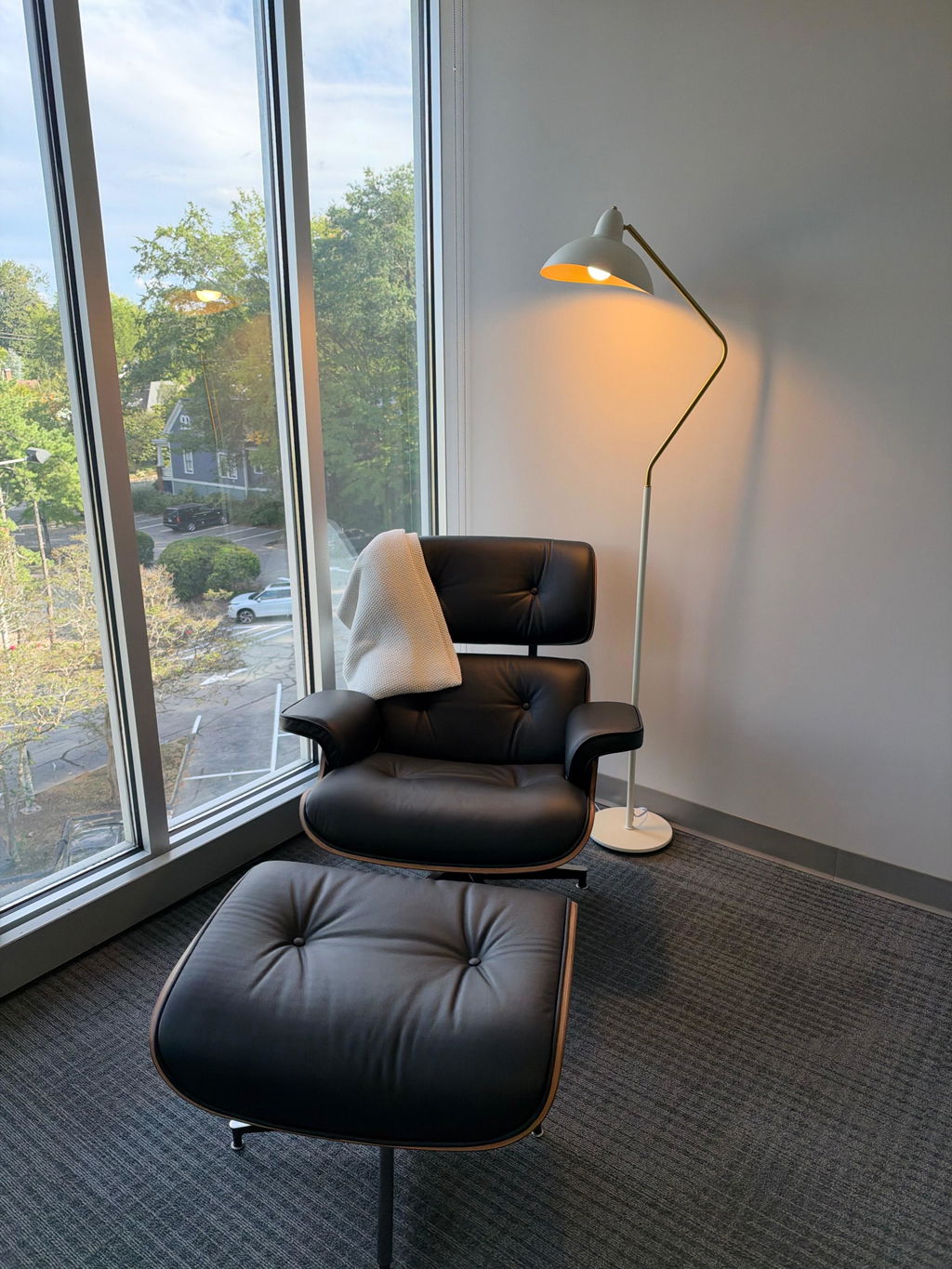


A great chair can change the way you use a room. Add the right ottoman, and the same seating area can become a favourite place to relax and enjoy a quiet evening. But choosing a lounge chair and ottoman involves more than picking a colour you like. The following things affect the experience.
· Size
· Seat depth
· Upholstery
· Support
· Proportions
· Construction
The pair also needs to work with the rest of your furniture. A chair that looks beautiful in a showroom may feel too large in a smaller living room.
This blog covers the important points worth checking before you buy. It also explains the small details that can separate an attractive chair from one that feels genuinely nice.
Start With Comfort, Not Looks
A chair can look impressive and still feel bumpy after 20 minutes. Comfort starts with the way your body meets the chair. Check the seat height and depth. Also, check the back angle and level of support. Your feet should rest naturally. The seat should support your legs without pressing behind your knees.
The backrest should also suit your preferred sitting position. Some people prefer an upright position for reading. Others want a reclined position for long periods of relaxation. The ottoman adds more comfort. It gives your legs somewhere to rest. It helps to change your sitting position without needing a larger sofa.
Try the piece for more than a few seconds if possible. Sit normally and then lean back. Place your feet on the ottoman. Pay attention to pressure points and whether your body feels supported.
Choose the Right Size for Your Room
A lounge chair and ottoman can become the best piece in your space. That makes proportion especially important. Measure the area before you buy. Include the space occupied by the two pieces and leave enough room around them for movement.
Do not judge the size from photographs alone. A chair can appear compact on a large website image. But it may take up considerable floor space in a real room.
Simple guide when planning your space
|
What to check |
What to consider |
|
Chair width |
Leave comfortable space beside nearby furniture. |
|
Chair depth |
Check the available floor area. |
|
Ottoman position |
Keep enough room for leg extension |
|
Seat height |
Match your preferred sitting position. |
|
Surrounding space |
Keep walkways clear |
|
Visual proportion |
Match the chair to nearby sofas and tables |
Also consider doors and side tables. You do not want the piece to block a natural walkway. You also do not want it to interfere with another piece of furniture.
Match the Chair to Your Interior Style
The best seat does not need to match every other item in the room. Instead, look for a connection between the chair and the wider interior. You might repeat a wood tone and a metal finish elsewhere in the room. This piece can work well with clean-lined sofas and simple tables. A leather piece can add warmth to a room with neutral fabrics. A sculptural design can provide contrast within a traditional setting.
Think about the role you want the chair to play.
Do you want it to blend into the room? Or should it stand out as a statement piece?
Both approaches can work. The important point is to choose deliberately rather than selecting a design based only on a product photograph.
Pay Attention to Upholstery
This affects comfort. It also has an impact on appearance and maintenance. Leather usually gives a chair a refined appearance and can develop character with use. Different finishes can also produce very different results. A smooth finish looks different from a waxed and vintage-style finish.
Fabric gives another option. It can bring softness and a wider choice of colours and textures.
When comparing upholstery, think about your daily routine. A chair used every evening needs a material that suits regular use. A decorative chair in a quieter room may face very different demands.
Ask the retailer about the material rather than relying only on the colour name. Find out what type of leather and fabric they use. Learn about its care requirements. Luxe Furnishes lists several seating options with leather upholstery and different wood finishes. This gives buyers a choice of combinations rather than one fixed look.
Look Closely at the Frame and Base
Good design starts beneath the upholstery. The frame needs to support the chair without unnecessary movement. The base also needs to feel stable when you sit down and lean back. Wood and metal can produce attractive results. Your choice should suit the design and the level of durability you expect.
Look closely at the joins. Check the frame finish and base construction. If product information provides details about these elements, read them before making a decision. Do not judge quality by weight alone. A heavier chair does not automatically mean better construction.
Instead, look at the complete product. Consider the following things
· Materials
· Construction
· Finish
· Hardware
· Warranty
Check the Ottoman's Proportions
The footrest should feel like part of the chair rather than an unrelated extra. Its height plays a major role. A very low ottoman may not provide enough support. A very high one may feel awkward when you sit back. The distance between the chair and footrest also matters. Keep enough room for comfortable leg extension without pushing the pair too far into the room.
Consider the visual relationship as well. Matching upholstery and wood finishes can give the pair a unified appearance. Some designs also offer larger versions for taller users. Luxe Furnishes currently lists XL and tall versions among its lounge seating range. This can help buyers compare different proportions.
Think About Your Height and Sitting Position
One chair will not feel identical to every person. A taller person may prefer a deeper seat and a higher back. A shorter person may feel more comfortable with a smaller seat depth and lower proportions. This does not mean you need a chair designed for one specific body type. It means you should consider your own measurements before buying.
Think about your usual sitting position too.
Do you sit upright while reading? Do you lean back while listening to music? Do you spend an hour in the chair at one time?
Your answers can help your choice better than appearance alone.
Consider Colour
This can look different under natural and artificial light. A warm brown may appear richer in evening lighting. A pale leather may look brighter near a window. Dark upholstery can give a room a more intimate feel. Lighter shades can make the chair feel less visually heavy.
Before choosing, compare the chair with your existing flooring and walls. Wood deserves the same attention. Walnut, rosewood-style finishes, and ash can each give a different character. Luxe Furnishes currently has lounge seating in several wood and upholstery combinations, including walnut, rosewood-style, and ash finishes.
Think About the Chair's Position
Placement can affect comfort and appearance. A chair beside a window can form a pleasant reading corner. A chair opposite a sofa can support conversation. A chair beside a bookcase can form a dedicated reading area.
Avoid pushing the piece into a corner simply because the space looks available.
Give the pair enough visual breathing room. The ottoman needs its own space, too.
For open-plan rooms, it can also help define a smaller seating zone without adding another sofa.
Quality Should Match Your Use
Think about the amount of use the chair will receive. A piece that someone uses every day deserves greater attention to construction and comfort. A chair used occasionally can follow different priorities. Look for clear product information and realistic descriptions. A trustworthy retailer should explain the following things clearly.
· Materials
· Dimensions
· Finishes
· Delivery information
At Luxe Furnishes, we position our range around designer-inspired furniture at more accessible prices. We currently offer lounge chairs and ottomans. We also have dining furniture and office seating.
We display customer reviews on our website covering
· Comfort
· Materials
· Construction
· Packaging
· Delivery
These reviews can provide useful information about the buying experience. But shoppers should still assess product specifications for themselves.
Case Study
We had a buyer who wanted a dedicated reading chair for a modern living room. The room already had a large sofa and a low coffee table. It had plenty of open space near a window. At first, the buyer considered a standard armchair.
After measuring the room, they realised a deeper chair with an accompanying ottoman would give them a more useful relaxation area. They chose a darker leather finish with warm wood to connect the chair with the existing flooring. The ottoman gave them a comfortable place to rest their legs. The chair filled the empty area beside the window without overwhelming the room.
The lesson is simple. The best furniture choice usually starts with the room and your routine rather than the product itself.
Where Should You Spend More?
A larger budget does not always guarantee a better chair. But certain things have to be considered.
Prioritise the areas that affect everyday use.
· Comfort and support – A beautiful chair has little value if you dislike sitting in it.
· Materials – Check the upholstery and wood. Also check metal and other visible components.
· Construction – Look at the frame and base. Check the joins and overall stability.
· Proportions – Match the chair and ottoman to your body and room.
· Finish – Choose colours and textures that work with the wider interior.
This approach helps you spend money on things that you will actually experience.
Caring for Your Lounge Chair and Ottoman
Good upkeep can help furniture retain its appearance for longer. Keep leather away from sunlight. Follow the care instructions supplied with the product. Dust wood surfaces with a cloth. Avoid harsh cleaning products unless the manufacturer recommends them.
Do not place heavy objects on the ottoman unless the product specifically supports that use. Also check screws and fittings. Check all the moving parts from time to time. Early attention can prevent a small issue from becoming a larger one.
Always follow the care instructions supplied with your specific chair. This is because different materials need different treatment.
Final Thoughts
Choosing a lounge chair and ottoman becomes much easier when you don’t just look at the appearance. Start with comfort and proportions. Then assess the upholstery and frame. You also need to check the base. Take a look at the finish and overall construction. Finally, consider the chair's position and its relationship with your existing furniture. A well-chosen pair can become more than another seating option. It can give a living room a dedicated place for reading and relaxation.
Luxe Furnishes has a selection of designer-inspired lounge seating in different sizes. We provide different wood finishes and upholstery options. We have express shipping across Europe, the USA, and Australia.
If you are ready to add the best seating piece to your interior, browse the collection at Luxe Furnishes. Compare the available designs and finishes before choosing your pair.
FAQs
Can a lounge chair work in a small living room?
Yes. Choose a proportionate design and position the chair carefully. A compact layout can provide comfortable individual seating without making the room feel crowded.
Should the ottoman match the chair?
A matching ottoman gives the pair a coordinated appearance. You can also choose complementary finishes based on your interior.
Is leather a practical choice for everyday seating?
It can suit regular use and offers a distinctive appearance. Follow the recommended care routine to maintain the upholstery.
Does a lounge chair need to face the television?
No. You can position it towards a window, bookcase, fireplace, or another seating area based on your routine.
What should I check before ordering furniture online?
Check dimensions, materials, finishes, delivery terms, returns information, and warranty details. Read recent customer feedback for additional buying insight.